
How To Organize Interior Design Materials

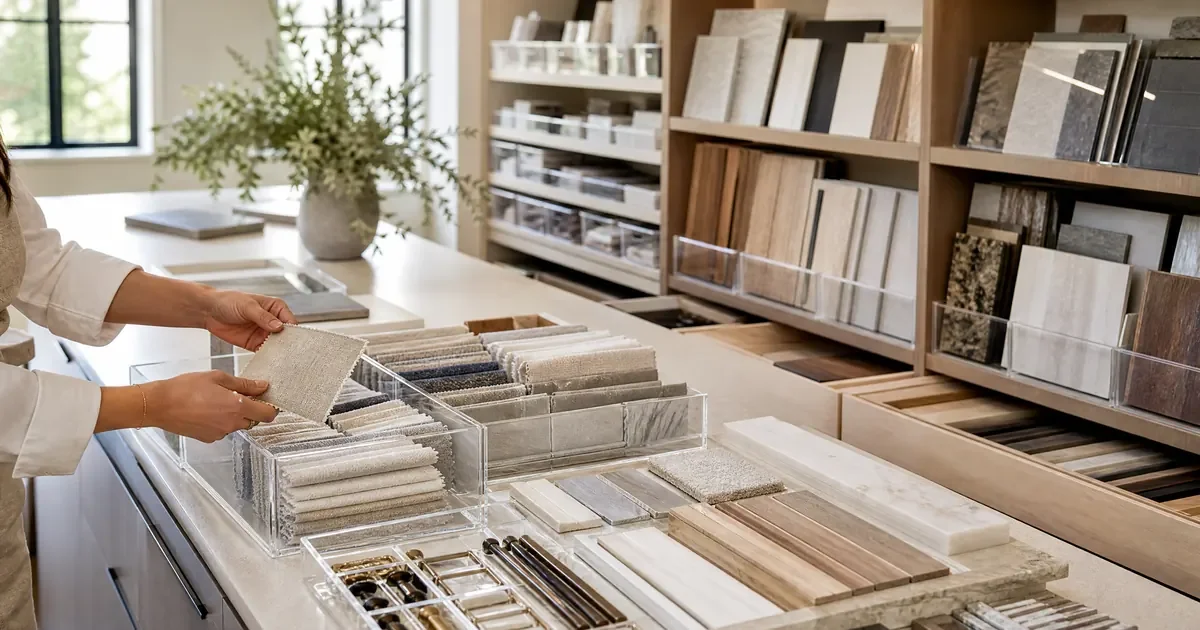
A significant interior design project generates an enormous volume of physical and digital material: fabric samples, tile swatches, stone samples, paint chips, furniture specifications, contractor quotes, fixture cut sheets, and design drawings. Without a system, this accumulation becomes confusion, and confusion in a design project leads to mistakes that are expensive and sometimes irreversible. Knowing how to organize interior design materials is part of what separates a well-managed project from a chaotic one.
Start With A Single Source Of Truth
The most important organizational principle in a design project is having one place where all decisions are recorded and accessible. A single document, binder, or digital platform where specifications, selections, and approvals are logged means that no decision gets made twice, no specification gets lost between conversations, and every contractor and vendor is working from the same information.
Professional design firms maintain what is typically called a project bible or specification document for every client. It contains every selection made for the project: the exact paint color name and number, the fabric name, colorway, and vendor, the tile specification with dimensions and grout color, the plumbing fixture model numbers for every bathroom and kitchen in the home. This document is the reference point that prevents the errors that happen when information lives in different places.
Physical Samples: A System That Scales
Physical samples are the most unwieldy part of organizing interior design materials for any major project. Tile samples alone for a whole-home renovation can fill a large tote bag. Add stone samples, fabric samples, paint chips, and flooring samples, and the volume becomes significant.
The most effective physical organization system groups samples by room and then by category within each room. A labeled folder or envelope for each space in the home, containing the relevant paint chip, fabric swatches, any tile or stone samples small enough to file, and printed cut sheets for fixtures and furniture, keeps the physical material in relationship to where it will live in the finished home. Larger samples are labeled with the room and category they belong to and stored together.
Digital Organization For A Complex Project
Every physical sample has a digital counterpart: a vendor page, a specification sheet, a photograph taken during the selection process. Organizing these digitally mirrors the physical system: a folder per room, with subfolders for each material category. Photographs of samples taken in the actual room at different times of day are especially valuable, because they document how the material reads in the specific light conditions of the space it will occupy.
Version control matters in digital organization. Selections change during a project. A tile that was confirmed early may be replaced later when the stone countertop direction shifts. Maintaining a clear record of what was selected, when it was changed, and what replaced it prevents the situation where a contractor receives an outdated specification because an email was missed.
Managing Vendor And Contractor Communication
In a whole-home design project, the designer is typically coordinating communications with multiple vendors and contractors simultaneously. Keeping that communication organized, with a clear record of what was specified, what was confirmed, and what is still pending, is a management skill as much as a design skill.
The most effective approach is to route all vendor and contractor communication through a single channel and to document every verbal conversation in writing immediately afterward. A decision made in a phone call that is not confirmed in an email does not reliably make it to the site or the order.
How Professional Designers Manage The Process
Understanding interior design material organization from the outside gives a sense of why professional project management is one of the most valuable things a full-service design firm provides. The organization of a complex project is not administrative overhead. It is design protection. Every specification that is correctly filed and confirmed is one fewer error waiting to surface during installation.
Rose Ann Humphrey of Home Life has been managing luxury residential design projects for over three decades, developing the organizational systems and project management practices across New England, primarily Boston, that allow whole-home projects to run with precision. She now brings those systems and that experience to comprehensive design and renovation commissions in Charleston and the surrounding islands.
Our mission is to make living in your home lovable for you. The organizational discipline behind a well-run project is what makes that possible: it is what ensures that the home that is built is the home that was designed. If you are planning a full-home renovation or a comprehensive interior design project, Rose Ann would welcome the opportunity to walk you through how Home Life manages the process. Get in touch with us today.